I was recently at Daylesford for a panel event on the kitchen as the heart of the home.
It is a phrase we all use. But it made me think about how new the idea is. For most of history the kitchen was not the heart of anything. It was hidden.
The room nobody saw
In any house that could afford it, the kitchen was kept as far from family life as possible.
In the great country houses it sat downstairs, alongside the larders and sculleries. At Berrington Hall the architect Henry Holland went as far as a hidden servants’ staircase and an underground corridor, so that the work of running the house stayed, in the National Trust’s words, “out of sight”.
The kitchen was a place of work. Nobody thought of it as a room to design, and guests never saw it.
The first designed kitchen
That began to change in Frankfurt in 1926, when the architect Margarete Schütte-Lihotzky designed a compact fitted kitchen for the city’s new apartments. It was not the first fitted kitchen, but the V&A calls it “the first to be made in quantity”. Perhaps 10,000 were made to her designs.
For the first time, ordinary homes had a kitchen that someone had properly thought about. But it was still a small room on its own, with a door.
From hidden to focal point
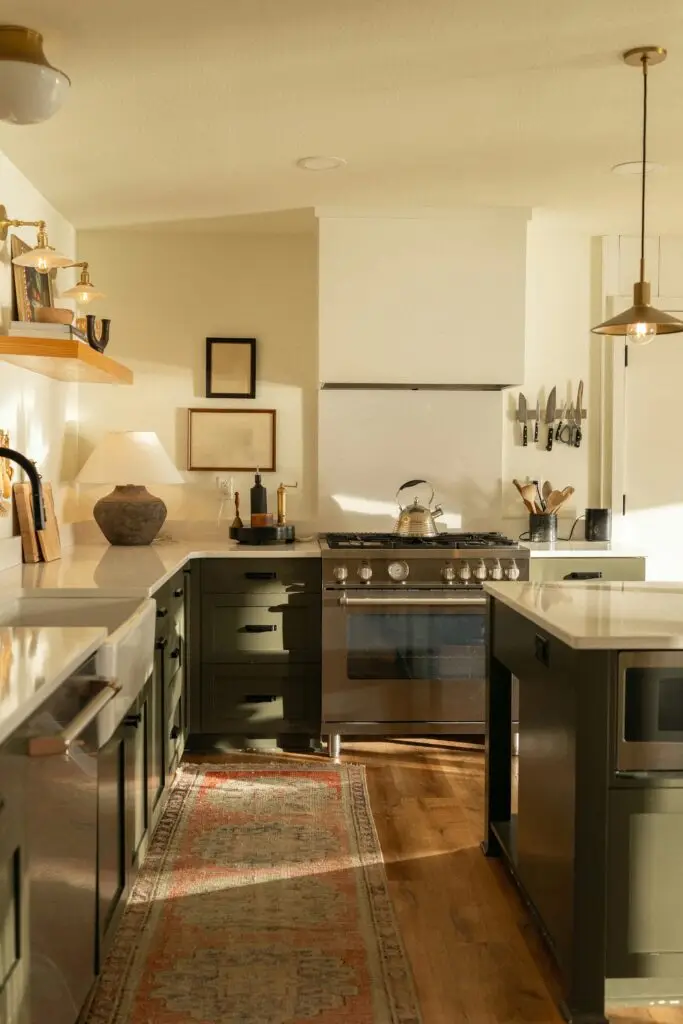
Today the kitchen is the opposite of hidden. It is the focal point of the house, and often a piece of art in its own right.
The island has become the centrepiece, sometimes cut from a single slab of marble. The technology has disappeared behind the joinery, so the fridge, the extractor and the appliances are all there but you do not see them.
Some homes now have two kitchens. There is the main kitchen, which is the beautiful one, and a back kitchen behind it where the real cooking and clearing up happen.
It has also become the most social room in the house. When people come over, the kitchen is where they naturally end up. Nobody has to be asked. They gather around the island and stay there.
Now it is the first room we show people, and the room where most of family life happens.
What stood out to me
Two points from the panel have stayed with me.
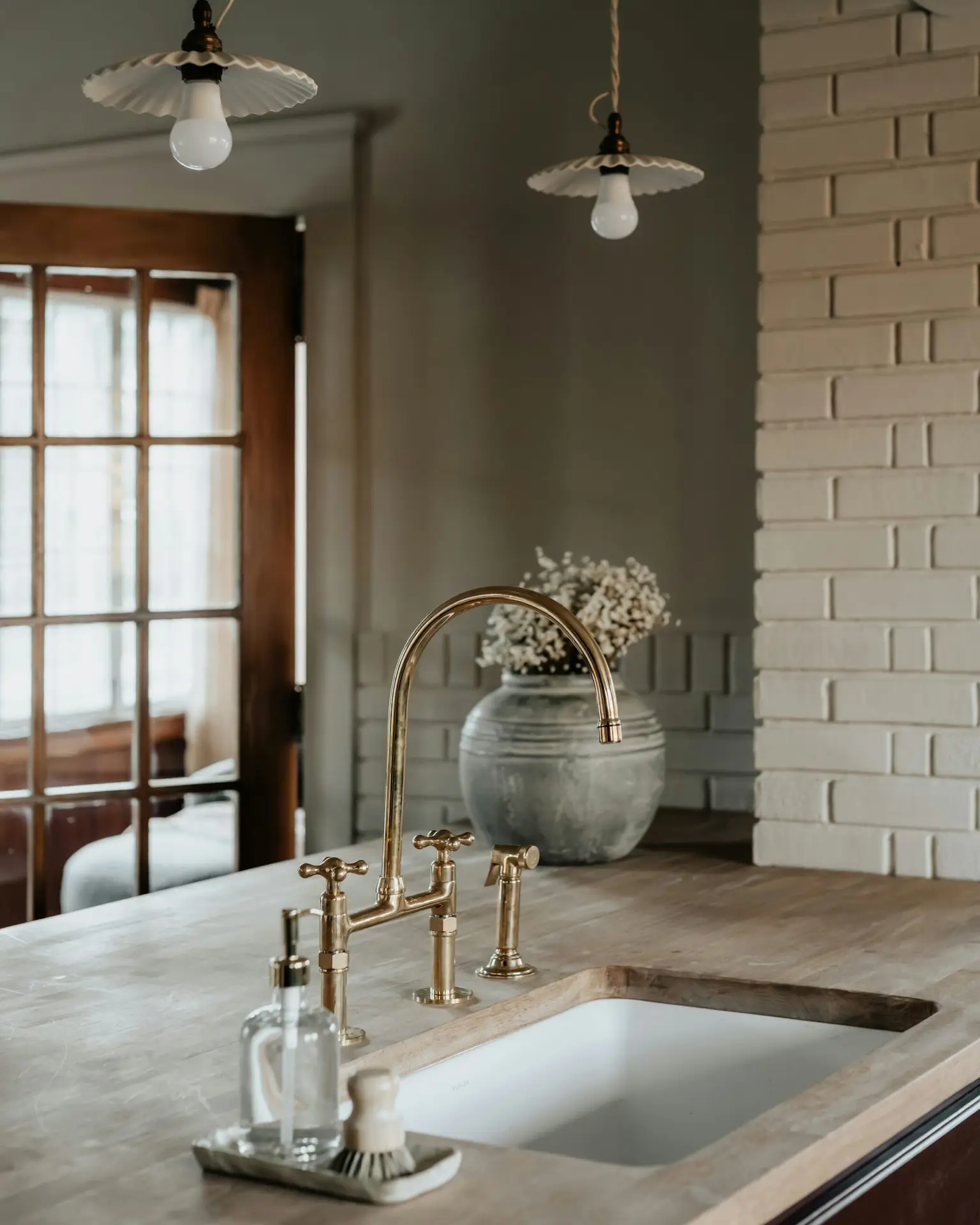
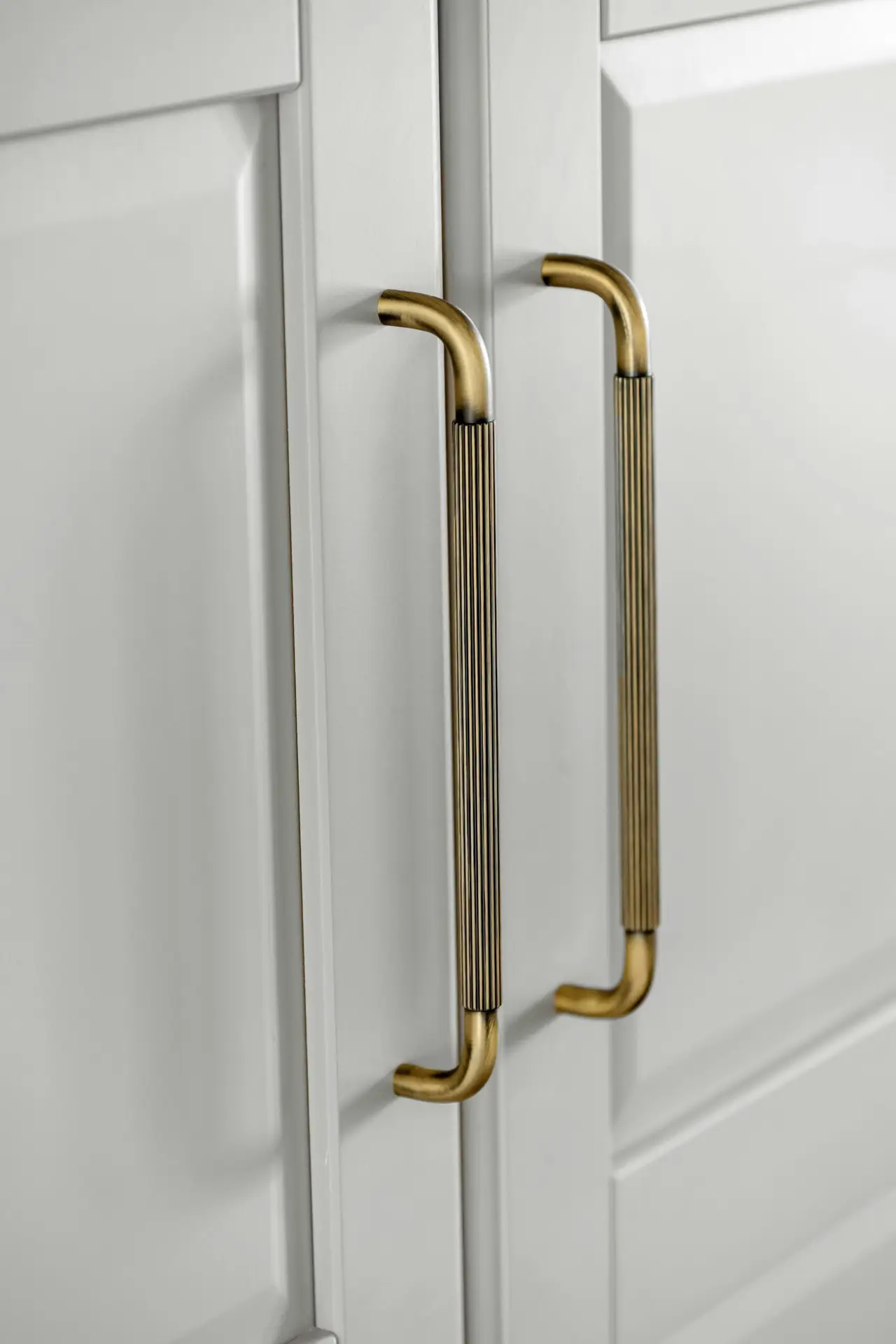
The first is that the easiest way to update a kitchen is to change the hardware. Good handles, knobs and taps are the things you touch every day. Choosing really well-made ones can lift a kitchen without replacing anything else.
The second is for anyone designing a kitchen from scratch: invest in the carpentry. Worktops, paint colours and appliances can all be changed later. The cabinetry is the part you cannot keep redoing, so it is where the money should go.
I agree with both. They come down to the same thing, which is to spend on the parts of a kitchen that you use and touch the most.
Why it matters
The kitchen spent centuries out of sight. Now it is the first room we show people, and the room where most of family life happens.
That is why I think it deserves more thought than any other room in the house.