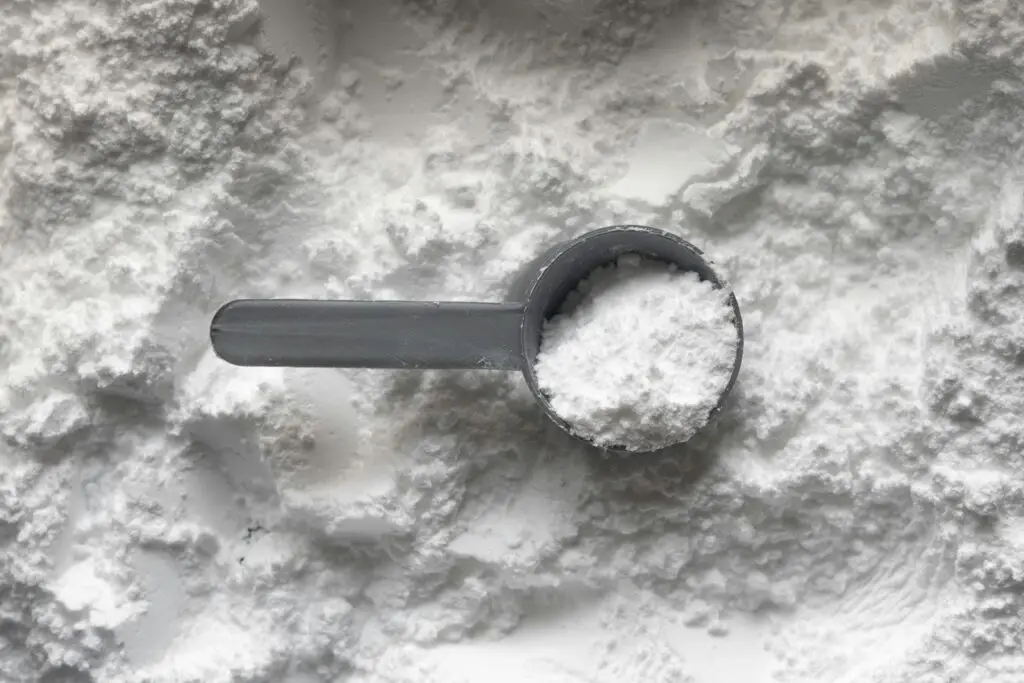
For years creatine lived in one place: a large tub with loud lettering, on a shelf next to the protein powder, bought by people who talked about their bench press.
If you didn’t lift weights, you didn’t think about it. You may not have known what it was.
Then, quite suddenly, everyone seemed to be talking about it.
It came up at dinner. It turned up in the group chat. A friend who has never set foot in a weights room mentioned, in passing, that she had started taking it. The tub got smaller and prettier. The lettering went from shouting to whispering. A supplement that had belonged to one very particular crowd had walked out of the gym and into ordinary life.
What we find interesting isn’t that it left. It is where the conversation went next.
Because the people talking about creatine now aren’t really talking about muscle. They are talking about the mind. About staying sharp. About memory, and focus, and what it might mean to look after your brain with the same care we have learned to give our bodies.
It is a striking change of subject for something that used to be sold with a picture of a bicep on the front.
Part of it is who is doing the talking. Strength has stopped being a young man’s interest. Women have taken it up, and so have people in their fifties, sixties and beyond, who care less about how they look and more about how they will feel in twenty years. When that is the question, the brain was always going to come into it.
The people talking about creatine now aren’t really talking about muscle. They are talking about the mind.
And part of it is the mood of the moment. We have become curious about ageing well in a way we weren’t a decade ago. We want to know what keeps us strong, but we also want to know what keeps us ourselves. Creatine happens to sit right where those two questions meet, which is why it has ended up in conversations it was never part of before.
Researchers are curious too. They are looking at what creatine might do beyond muscle, including for the brain as we get older. It is early work, and nothing about it is settled. But it is enough to have changed what people are asking.
What we notice is the shift itself. A plain white powder, once the least fashionable thing in the health shop, has become a way of talking about something much bigger: how we want to grow older, and what we hope to hold on to when we do.
Creatine has left the gym. The conversation it has started is about far more than creatine.