
When we talk about age, we usually mean the number of years we have been alive. But have you ever noticed that two people of exactly the same age can look, feel and function very differently?
This is where the idea of biological age comes in.
Our chronological age is the age shown on our passport. It cannot be changed. Biological age, however, is an indication of how well our body is functioning and how it may be ageing internally. Someone may be 50 years old but have the strength, fitness and metabolic health of someone younger. Another person of the same age may already be experiencing reduced energy, poor sleep, loss of muscle or health problems.
Of course, ageing is partly influenced by our genetics, but our genes are not the whole story. The way we eat, how much we move, the quality of our sleep, our stress levels, smoking, alcohol and even our social connections can all influence how we age.
This is one of the main areas we focus on in longevity medicine. The goal is not simply to help people live for as many years as possible. It is to improve their healthspan, meaning the number of years they remain healthy, active, independent and able to enjoy their life.
We cannot change our date of birth, but there are many things we can influence.
How can we assess biological age?
You may have seen companies offering biological age or DNA tests. These tests are an interesting and developing area of science, but there is currently no single test that can give us a complete or definite answer.
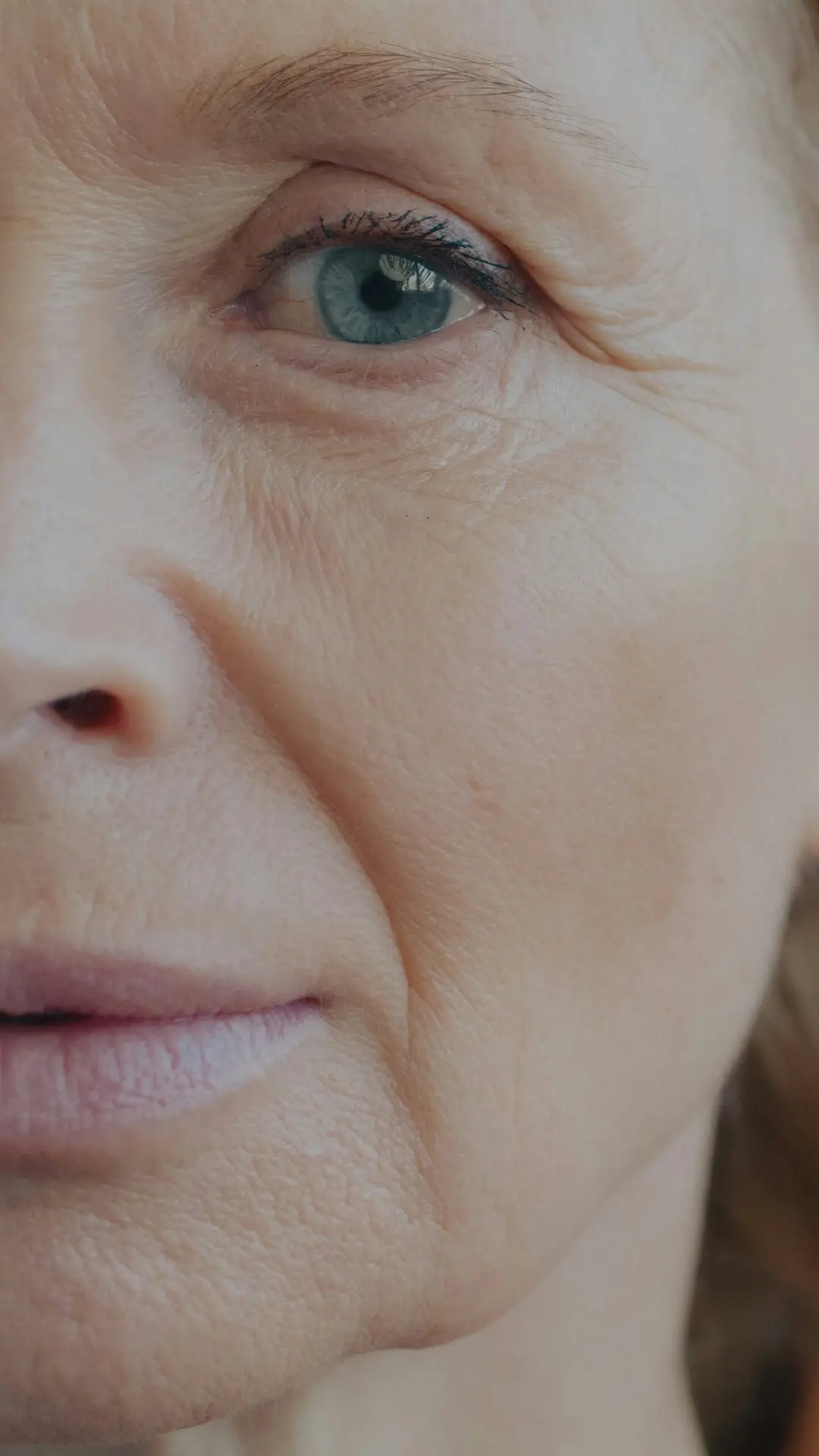
I believe it is much more useful to look at the person as a whole. This may include checking blood pressure, cholesterol, blood sugar, body composition, muscle strength, cardiovascular fitness and bone health. Sleep, mental wellbeing, family history and daily habits are also important parts of the picture.
Rather than becoming too focused on achieving one particular “biological age” score, I would ask a simpler question: how well is your body functioning now, and what could you improve?
We cannot change our date of birth, but there are many things we can influence. Regular exercise, particularly strength training, a nutritious diet, good-quality sleep, managing stress, maintaining meaningful relationships and keeping up with appropriate health checks can all help support healthier ageing.
Longevity is not about trying to stop ageing completely. It is about looking after our health now, so we can continue to feel and function at our best for as many years as possible.
Dr Negar Sharafi MBBS (Hons), PGDip Longevity & Anti-Aging Medicine, is a doctor specialising in longevity medicine, who works at CLNQ.