I’ve always been a label reader.
Long before sourdough became such a big part of my life, I was interested in nutrition, health and understanding exactly what we put into our bodies. I’m not someone who believes that an ingredient is automatically “bad” because I can’t pronounce its name. But I do believe we should understand what we’re eating and why it is there.
My rule has always been quite simple: if I don’t understand what I’m eating, I want to ask more questions.
With a background in Exercise and Health Sciences, years spent as a sports nutrition lecturer and more than two decades working in health and wellness, I’ve become increasingly interested in the gap between what we think is healthy and what is actually in our food.
And bread is a perfect example.
Bread itself isn’t the enemy. In fact, bread can be a wonderfully simple food. Traditionally, it can be made with just flour, water, salt and time. The problem, for me, is how far removed some modern bread has become from that simplicity.
Walk into a supermarket and you can find bread labelled “wholegrain”, “multiseed”, “healthy” or even “sourdough”, but the front of the packet only tells part of the story. The ingredients list tells you much more.
So what actually happens during sourdough fermentation?
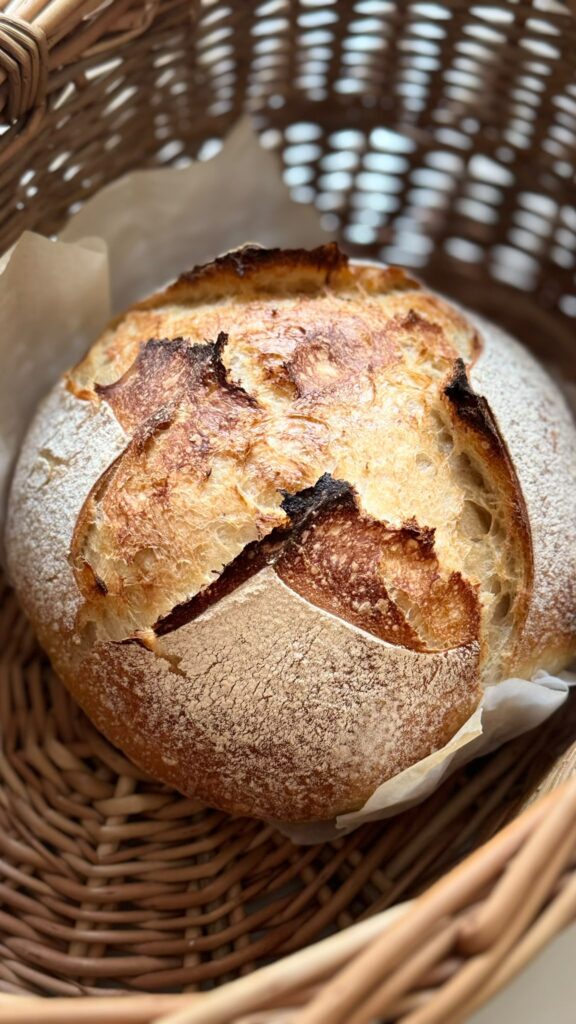
Traditional sourdough is different from bread made simply by adding commercial baker’s yeast and getting the dough into the oven as quickly as possible.
A sourdough starter contains naturally occurring yeasts and lactic acid bacteria. During fermentation, these microorganisms feed on carbohydrates in the flour and produce acids and other compounds. Given enough time, this changes the dough considerably.
The fermentation develops the characteristic flavour and aroma we associate with sourdough, but there is more going on than taste.
One important process is the breakdown of phytate, a compound naturally present in grains that can bind minerals such as iron, zinc and magnesium. Fermentation can reduce phytate levels, potentially making some of these minerals more available.
Fermentation also begins breaking down components of the flour and can alter the structure of the dough. For some people, traditionally fermented sourdough may be easier to digest than quickly produced bread, although that is very individual and sourdough certainly isn’t a solution for everyone.
And this is an important distinction: not everything labelled “sourdough” has necessarily been traditionally fermented for a long period.
So what should you look for when buying bread?
This is where my label-reading habit comes in.
If I’m standing in front of several loaves, I turn the packet around.
I look for a short, recognisable ingredient list. For a basic sourdough, I’d expect to see things such as flour, water, salt and a sourdough starter or culture.
That doesn’t mean every additional ingredient automatically makes a loaf unhealthy. There are perfectly legitimate reasons for some ingredients to be included. But the longer and more complicated the list becomes, the more questions I have.
I also look beyond the word “sourdough” on the front.
Ask yourself:
- Is sourdough actually listed as part of the ingredients?
- Does the bread contain commercial yeast as well?
- How long has it been fermented?
- Is it a genuine naturally fermented loaf, or is “sourdough” simply part of the product name or flavour profile?
If you’re buying from a bakery, ask. A good baker should be able to tell you how the bread is fermented.
And don’t be afraid to turn the packet around. The front is marketing; the ingredients list is information.
The front is marketing; the ingredients list is information.
Making sourdough changed my relationship with food
Learning to make sourdough has completely changed the way I think about bread.
I spent many years avoiding bread altogether. I didn’t necessarily dislike bread. I questioned the bread I was eating.
Now I make and eat sourdough every day.
Making it myself has made me much more aware of flour, where it comes from, how it is produced and what happens when you combine it with water and allow time to do its work. I’ve become more interested in organic and less processed ingredients, local grain and traditional methods.
But perhaps the biggest change has been that I no longer see food simply as something to consume.
I see it as something to understand.
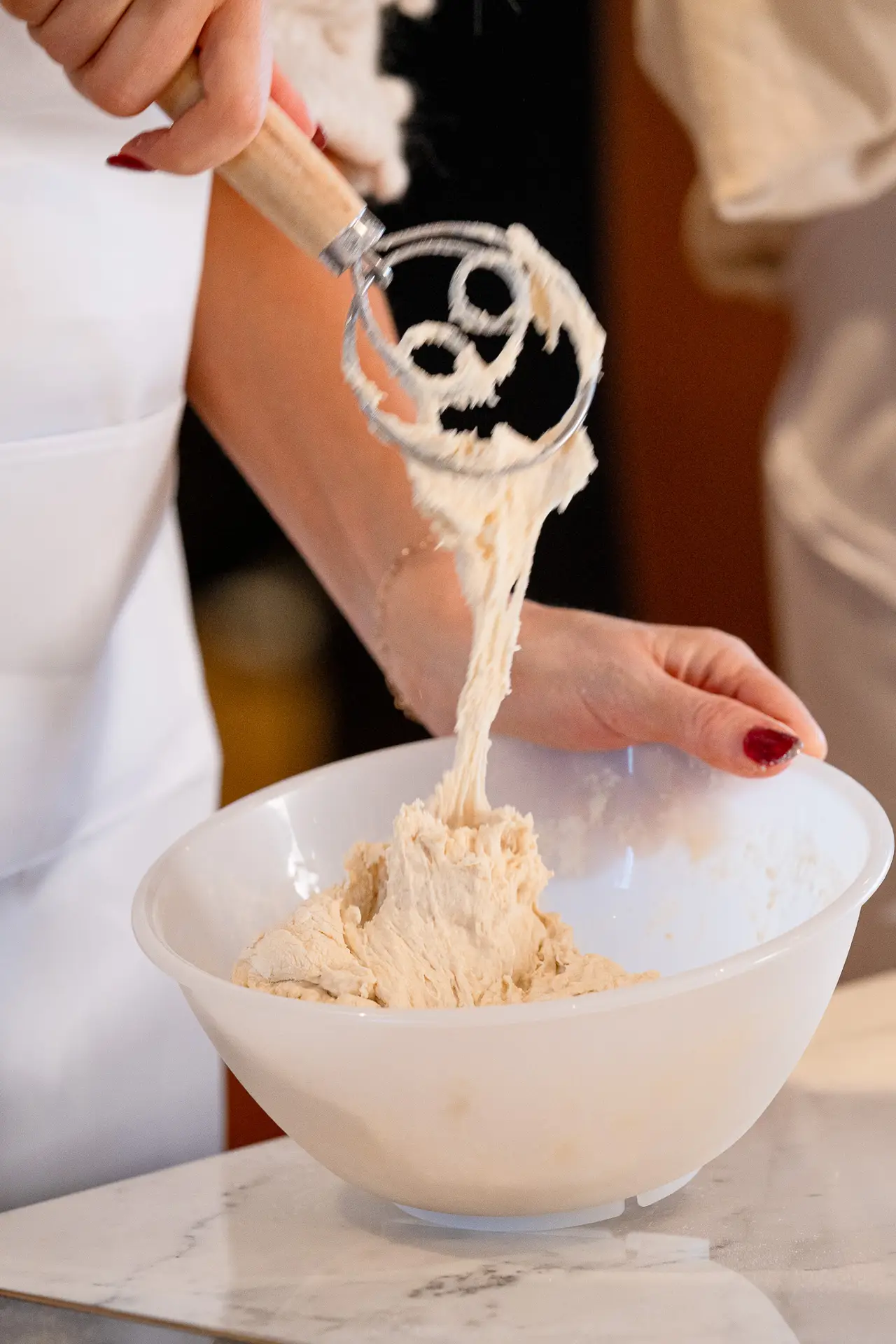
There is something incredibly grounding about mixing flour and water with your hands, watching a dough develop over hours and knowing exactly what has gone into the loaf you eventually eat.
That is really what The Path of Yeast Resistance is about.
It isn’t about telling people that bread is bad. It isn’t about fear, restriction or chasing the latest food trend.
It is about reconnecting with food.
It is about knowing what you are buying, understanding how it has been made and having the confidence to make informed choices for yourself and your family.
Because sometimes we don’t need another complicated diet.
Sometimes we simply need to turn the packet around.
Bread isn’t the enemy. Disconnection from our food is part of the problem.
And perhaps the most powerful change we can make is to become curious again about what we eat.
Nina Ross is the founder of The Path of Yeast Resistance. With a background in Exercise and Health Sciences, she has lectured in sports nutrition and worked in health and wellness for more than two decades. pathofyeastresistance.com