
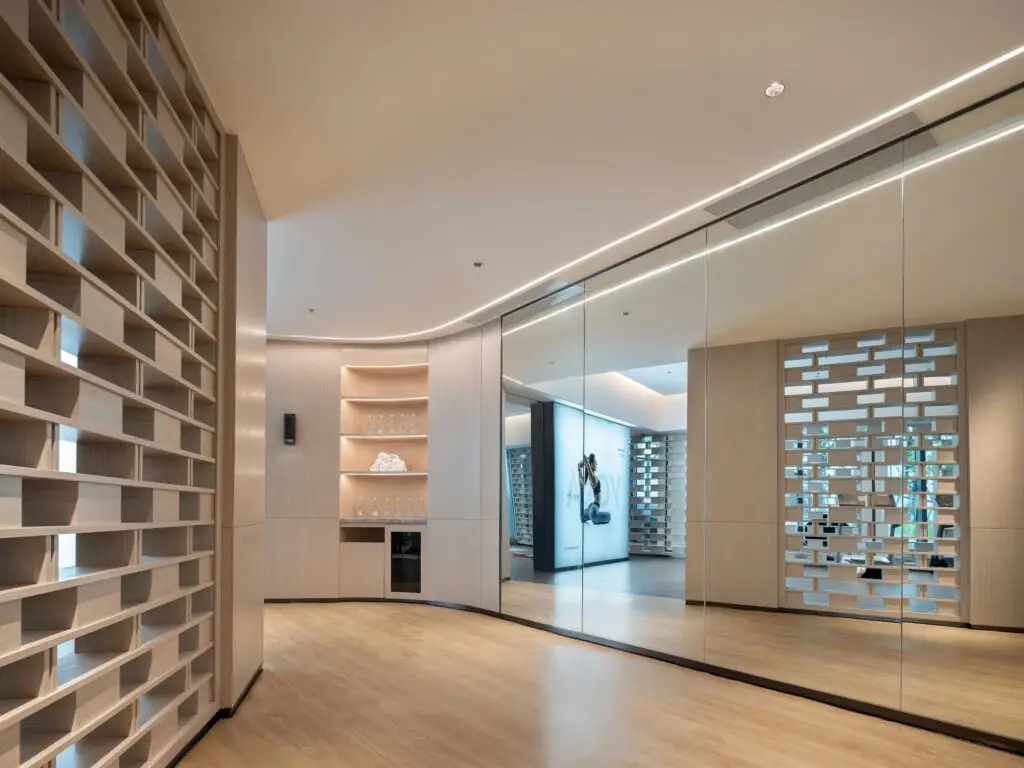
Think back to the gym you joined ten years ago.
It was probably enormous. Rows and rows of treadmills facing a wall of televisions. Strip lighting. A changing room that smelled of chlorine and somebody else’s deodorant. You swiped a card at a turnstile, put your headphones in and spoke to nobody.
It offered everything, and that was the problem. Unless you already knew what you were doing, you were on your own. You did twenty minutes on the one machine you understood, wandered past the weights without touching them and went home. If you stopped going, the only one who noticed was your bank.
If you stopped going, the only one who noticed was your bank.
That model is being quietly replaced, and gym is no longer the right word for what is replacing it.
The new places are specific. Each one has decided what it is for, who it is for and how it should feel, and has built everything around that decision.
Some are private health clubs in the countryside, with a cap on how many people can join. Some are city studios devoted to a single thing: reformer Pilates, or strength, or nothing but heat and cold. Some are large clubs where the pool, the sauna and the training floor have been designed as one visit.
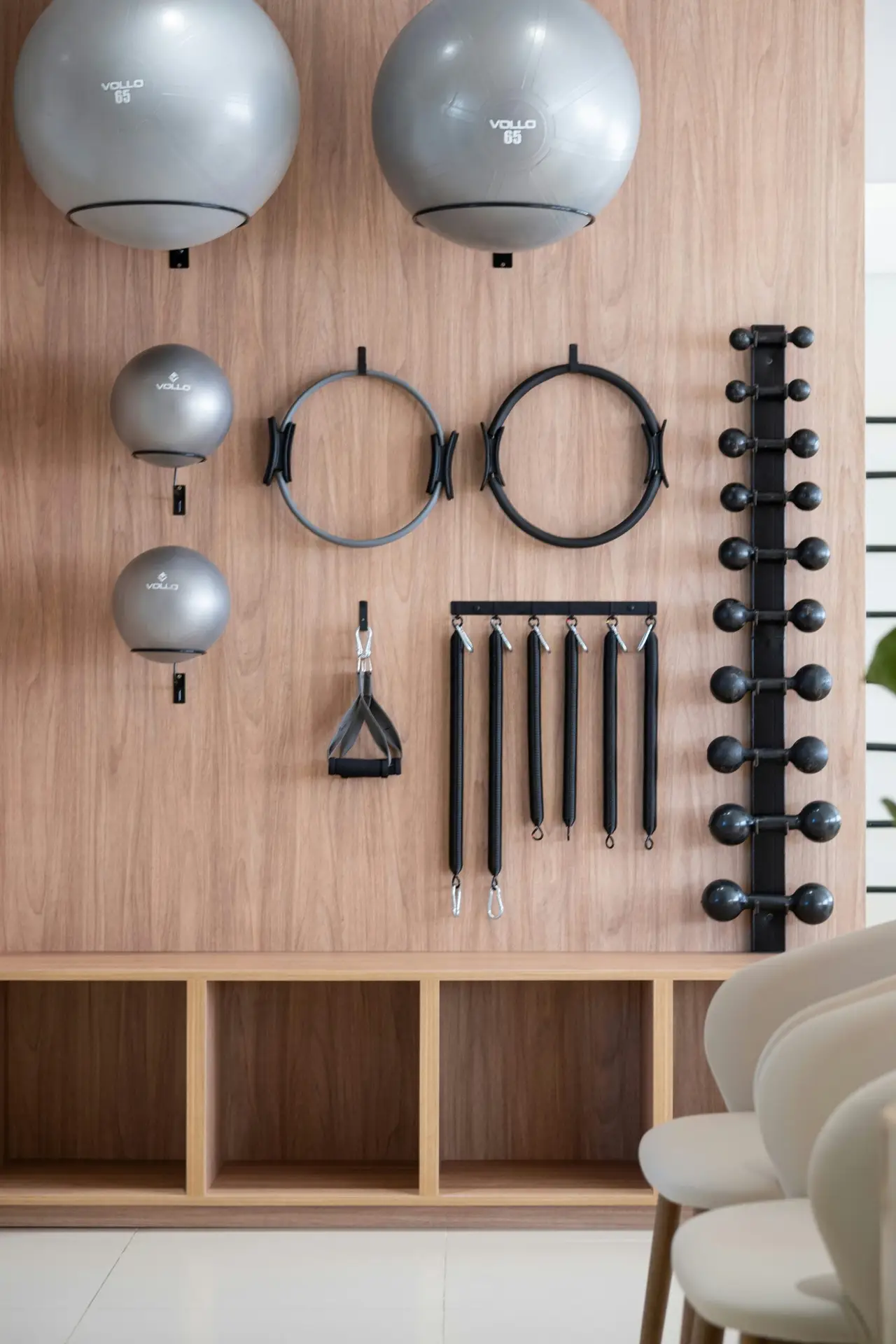
They look very different from one another. But they have the same things in common, and those things are the real story.
The first is the room. Somebody has thought about it, and it shows. The lighting is warm, the materials are natural and nothing is there by accident. These spaces look more like a small hotel than somewhere to sweat, because the people behind them understand that the way a room looks changes whether you want to walk into it.
The second is recovery. The sauna used to be a wooden box at the back, next to the showers. Now the heat and the cold have moved to the centre, and in some places they are the whole point.
The third is that you are looked after. Somebody knows your name. Somebody shows you what to do, so you never have that moment of standing in the middle of the floor wondering where to begin. For anyone who has ever felt out of place in a gym, that changes everything.
And the fourth is belonging. You see the same faces each week. You notice when someone is missing, and they notice when you are. That is deliberate. Many of these places limit their numbers, and the limit is part of what members are choosing.
That is the shift. The old gym sold access to a building full of equipment. These places offer something narrower and more personal: one clear idea, done well, among people you recognise.
We used to join a gym. Now we choose where we belong.