Kale. Coconut oil. Avocado on everything. Oat milk in every coffee. Matcha. Protein, in foods that never used to mention it.
Every few years a single food takes over our menus and our conversations. Some fade. A few stay for good.
We can’t say for certain what comes next. But if we had to choose one thing to watch, it would be olive oil. It isn’t new, which is rather the point. It has been part of how people eat for thousands of years. What’s changing is how much we want to know about the bottle we’re buying.
It starts in the grove
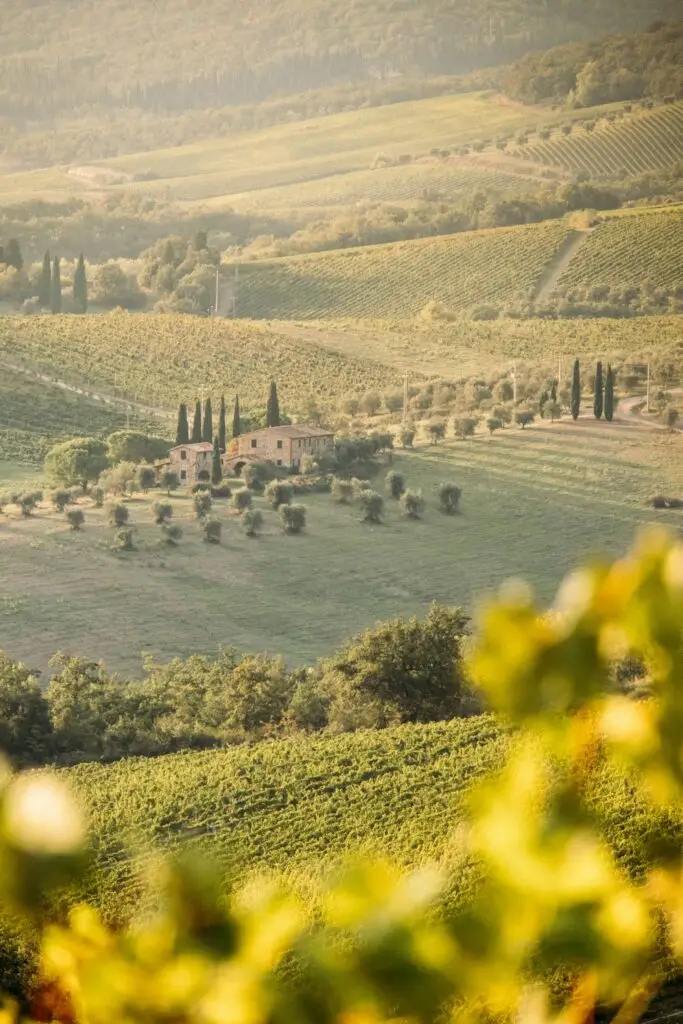
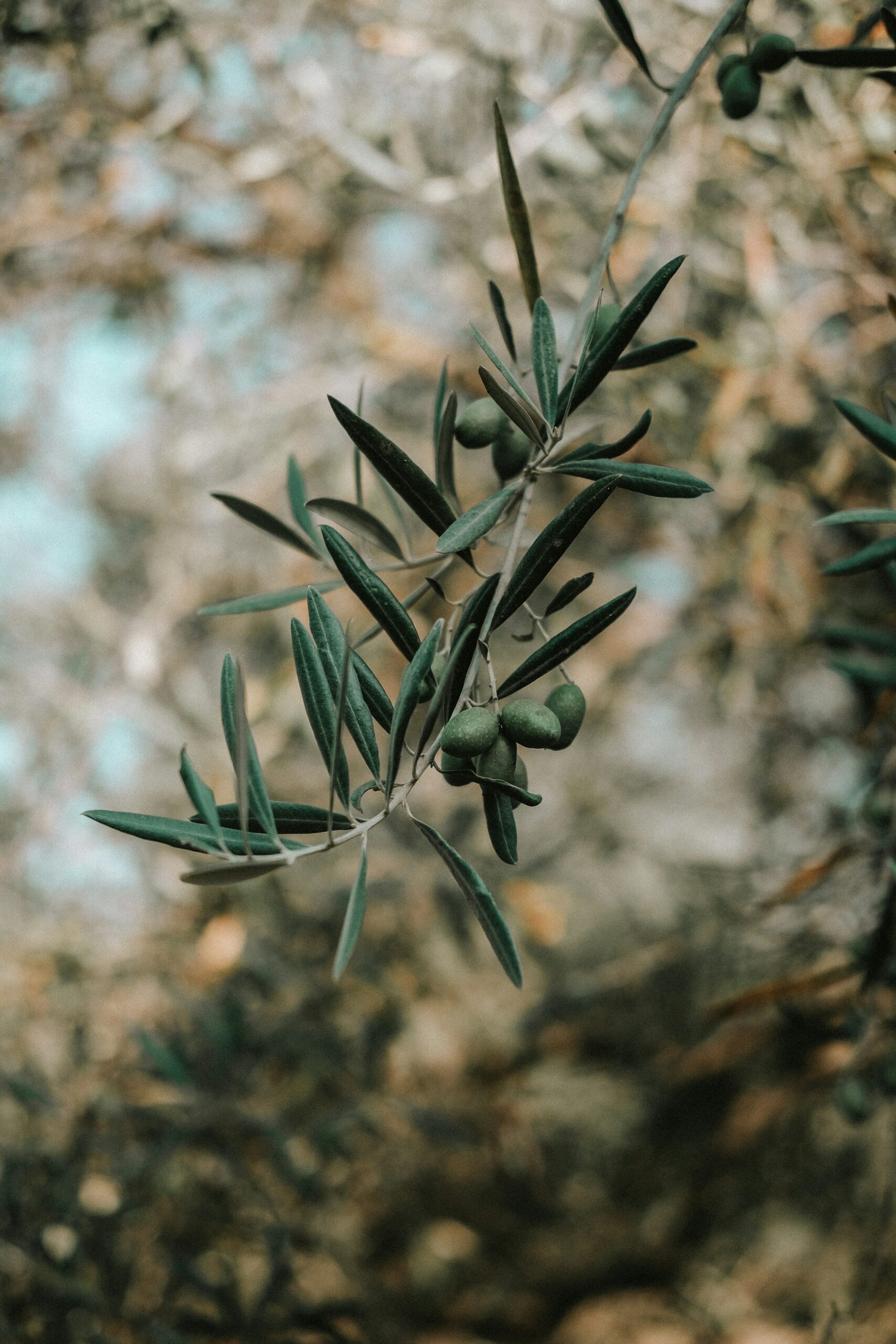
Picture a hillside in Tuscany in October. The summer visitors have gone, the light is lower, and the olive harvest is beginning. Nets are spread beneath silver-green trees. In most groves the olives are brought down with hand-held tools that comb or shake the branches, so the fruit drops onto the nets. Larger farms use tractor-mounted machines that shake the whole tree.
What matters is the condition of the fruit. Olives taken from the branch make better oil than olives left to fall and lie on the ground, and bruised fruit makes poorer oil. So once they are off the tree, they are taken to the mill as quickly as possible. A whole year of tending the trees comes down to a few weeks.
At the mill the olives are washed, separated from their leaves and crushed to a paste, and the oil is drawn out of it. Nothing is added. That is what “extra virgin” means on a label: oil taken directly from olives by mechanical means alone, with no faults in the taste. It is closer to fresh juice than to anything manufactured.
The first oil of the season even has its own name in Italy: olio nuovo, new oil. People look forward to it the way they look forward to the first strawberries.
Cloudy or clear
Fresh from the mill, olive oil is cloudy. It still holds tiny pieces of olive and a little water. Some producers bottle it like this, unfiltered. Others filter it, or let it settle, until it runs clear.
Neither is better. They are simply different. Unfiltered oil is oil at its youngest, and many people love it for that. But those tiny pieces of fruit don’t keep, so it won’t last as long. Filtered oil stays good for longer. If you buy a cloudy bottle, don’t save it for best. Use it soon, and use it generously.
Why freshness is everything
This is the thing most of us were never told. Olive oil isn’t like wine. It doesn’t improve with age. It is at its best soon after it is made, and it slowly fades from there.
That is why the most useful thing on a label is the harvest date, far more than the best before. Choose the most recent harvest you can find.
It’s also why the bottle matters. Light and heat are what make oil lose its freshness, so dark glass or a tin is doing a real job. At home, keep it in a cool cupboard, away from the hob.
The number on the bottle
You may have started to see a polyphenol count on labels. Polyphenols are natural compounds found in olives, and some oils contain far more of them than others.
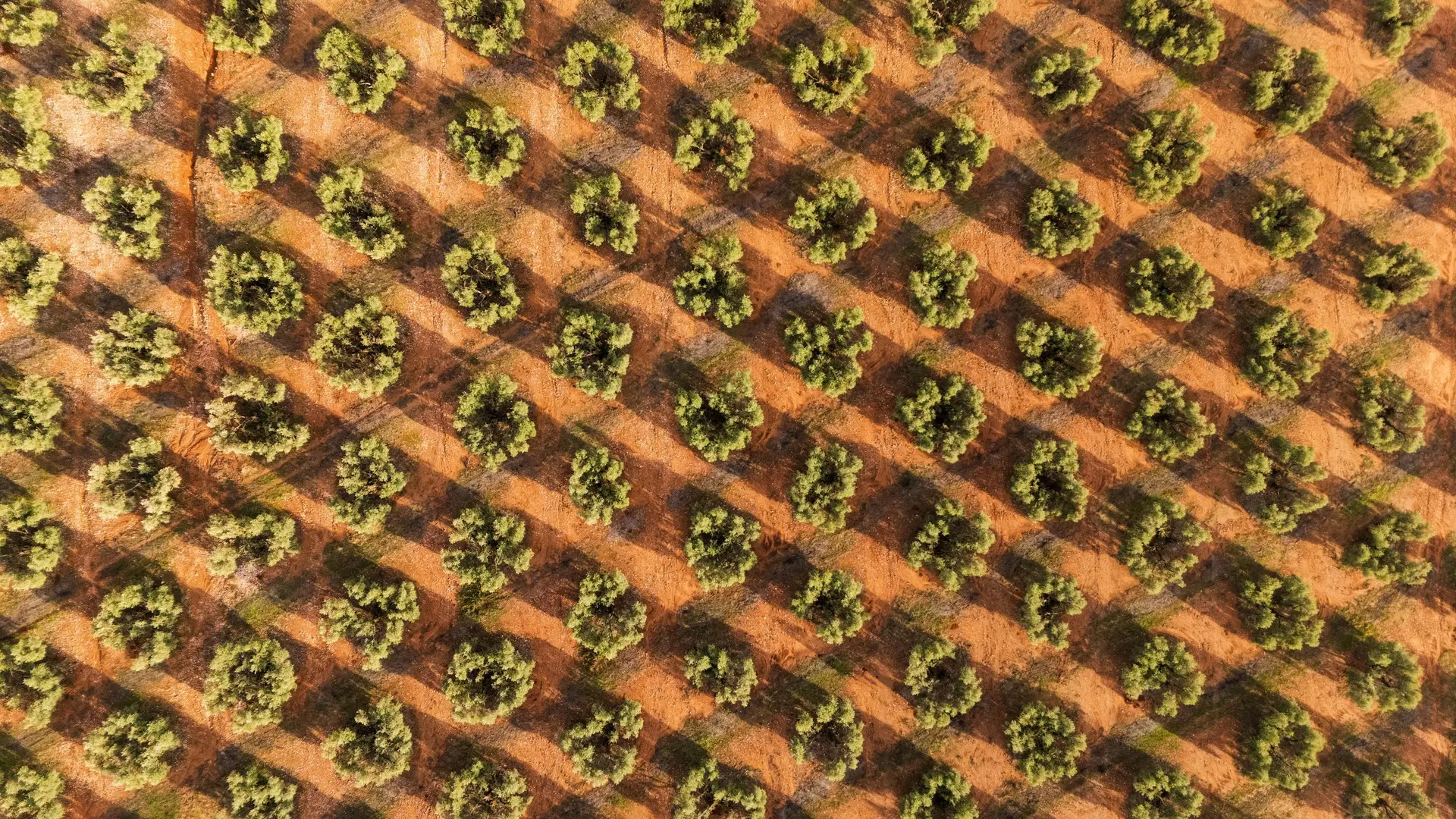
How much an oil has depends above all on the olive variety. Where the trees grow matters too: the climate, the soil and how the grove is looked after. Many producers also choose to pick early, while the olives are still green, for the same reason.
And it comes back to freshness. Research has found that these compounds decline as olive oil is stored, which is one more reason to buy from a recent harvest and not to keep a bottle for years.
How to recognise a good one
Start with where it is from. Extra virgin olive oil has to state its origin on the label. When the olives come from one place, the label can name it: a country, a region, sometimes a single estate. When the oil has been mixed from several countries, you will see a phrase such as “a blend of oils from more than one country”. A blend isn’t necessarily a bad oil. But an oil from one place can be traced back to where it was grown, and it carries the character of that place, much as a wine does. When a producer names the region or the estate, you know exactly whose oil you are buying.
Olive oil isn’t like wine. It doesn’t improve with age.
Then taste it. Pour a little onto a spoon. A good extra virgin olive oil smells green and fresh. It may taste slightly bitter. And it often leaves a peppery catch at the back of your throat.
People tend to think that catch is a fault. It’s the opposite. Fruitiness, bitterness and that peppery feeling are exactly what the experts look for.
How to use it
Cook with it, by all means. But keep your best bottle for the table, where you can taste it: over tomatoes, on warm bread, across a bowl of beans or soup just before you eat.
Our take
This is a prediction, not a promise. But olive oil has something most food trends never had. It was good long before anyone was paying attention.
Our picks
These are the five bottles we would point you to.
- Odysea Greek Kalamata PDO Extra Virgin Olive Oil. Our most affordable pick. One region of southern Greece with protected origin status, one olive variety, extracted within hours of harvest, with a peppery finish.
- M&S Collection Nocellara del Belice Extra Virgin Olive Oil. One olive variety, from Sicily, with protected origin status.
- Citizens of Soil Spanish Extra Virgin Olive Oil. Named growers in Albacete, with the harvest date and a polyphenol test published.
- Good Phats Spanish Extra Virgin Olive Oil Spray. Extra virgin olive oil from Andalucía, in a spray.
- Honest Toil Extra Virgin Greek Olive Oil. One olive variety from the Peloponnese, with the harvest year stated, sold in a tin.