I’m Chloé Lennox, yogi, designer and Manchester-based founder of Actively Conscious, blending slow fashion, yoga and art to make mindful living something you can wear. For more than a decade, I designed clothes for other people’s brands. I loved the craft, but the longer I worked in fast fashion, the more uneasy I became about what I was helping to create.
Behind the seams of fast fashion
Designing in the fast fashion industry exposed me to the damage the industry causes to our planet: the waste, the overproduction. It was, and still is, a hamster wheel of relentless pressure to deliver more for less. It also exposed the hidden practices that never make the campaign, from unethical labour to a basic lack of respect for people and the planet. There were many times in my career when I thought that if customers really saw the real cost of what they were buying, they would think twice.
As the industry became ever faster and more disposable, I felt a growing disconnect from what I was designing, and I had a burning desire for change.
Trying to change things from the inside
Over ten years ago, sustainable fashion wasn’t really a thing. For smaller businesses especially, the industry simply wasn’t set up for conscious design. Still, I was passionate about designing better and more intentionally.
I tried to influence the companies I worked for and even developed premium sustainable lines in anticipation of the growing shift in consumer behaviour. But slower product and tighter margins didn’t suit directors used to making a quick buck from fast fashion, whatever the cost to the planet. It truly was profit over purpose. I didn’t want to give up, so I began quietly building my own purpose-driven brand in the background.
An industry that’s unsustainable for everyone
The overproduction of mindless fast fashion is unsustainable for our environment and our earth’s resources. The never-ending conveyor belt of throwaway fashion is unsustainable for the people who power it too, from farmers and factory workers to designers like me.
I remember watching The Devil Wears Prada and thinking it was art imitating life. The stress and speed of the industry take a real toll on your emotional wellbeing, and in 2013 I started practising yoga to counter the burnout I was experiencing from the intensity of my career.
Finding stillness on the mat
Deep in my practice, I noticed a gap. There was no activewear that truly reflected the values of a mindful lifestyle, and no brand offering contemporary, minimal pieces made from sustainable materials. Everything on the market seemed to be tie-dye and hippie inspired. Nothing was considered or directional while also being carefully designed with sustainable materials.
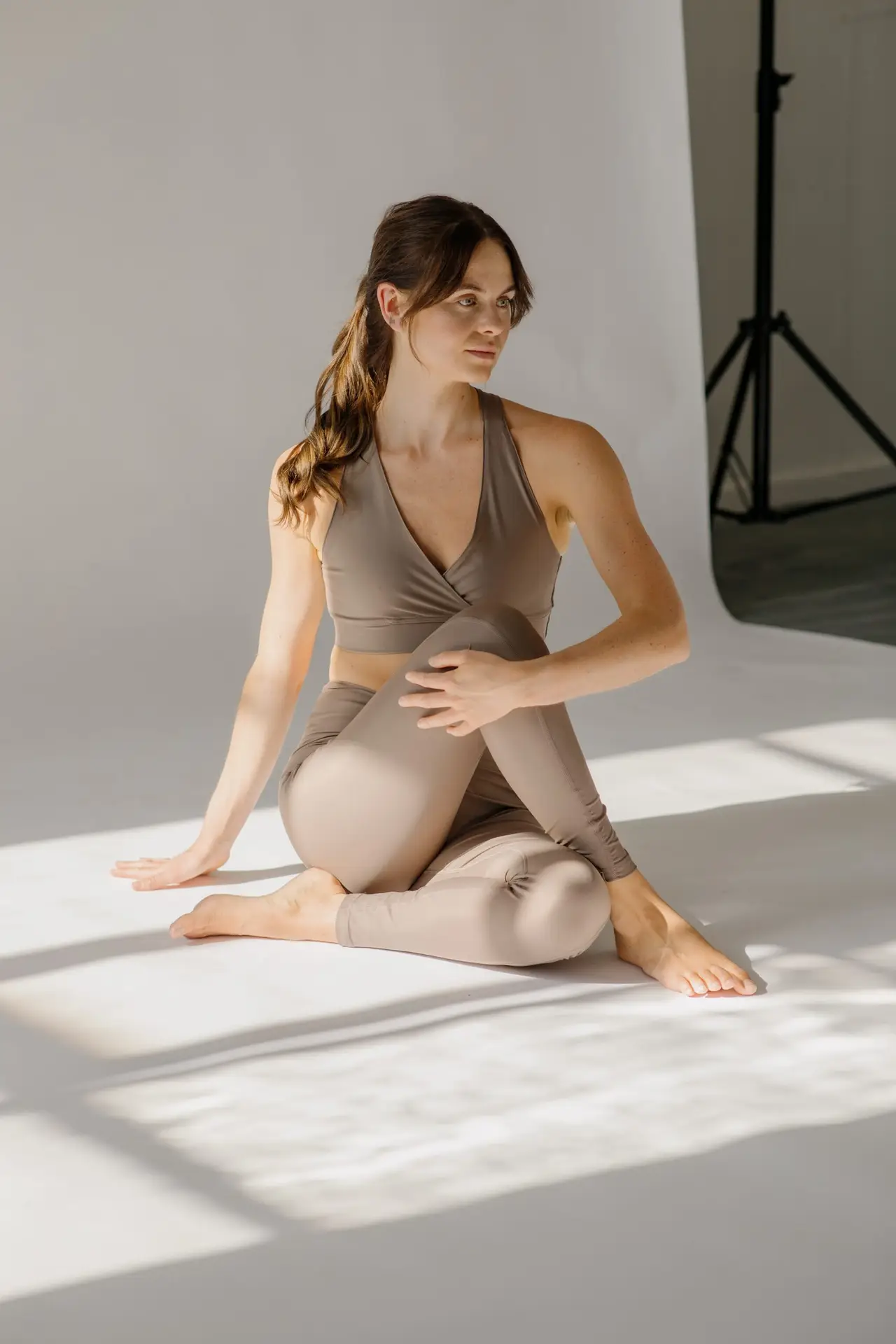
This was it: I had found my ikigai, the Japanese idea of a reason for being. I made it my mission to turn everything I’d learned about how fashion shouldn’t be done into a contemporary, purpose-driven brand for people leading mindful lifestyles.
One continuous line
At the start of the pandemic, I joined a mindful drawing workshop using one continuous line. In a moment of stillness, I began drawing yoga poses. I felt so connected to what I’d created that I knew it belonged in the brand I was building. My yoga illustrations are the heart of the brand. They represent its soul and its calmness, and the sentiment of flowing through life with intention and devotion to mindfulness.
Sustainability is more than a buzzword
Sustainable fashion has become a buzzword. Sadly, for some bigger companies it has become a tick-box exercise to meet new rules and regulations, rather than a genuine change in how they work.
That’s why I believe the real power sits with us. I’m a big advocate for conscious consumerism and buying with intention, because how we shop, and who we shop from, matters. The world needs positive change, and we can help create it by supporting small independent brands that are fully connected to every stage of their business and every product they bring to market. Every purchase from a small independent brand is a vote for positive change.
Every purchase from a small independent brand is a vote for positive change.
Actively Conscious today
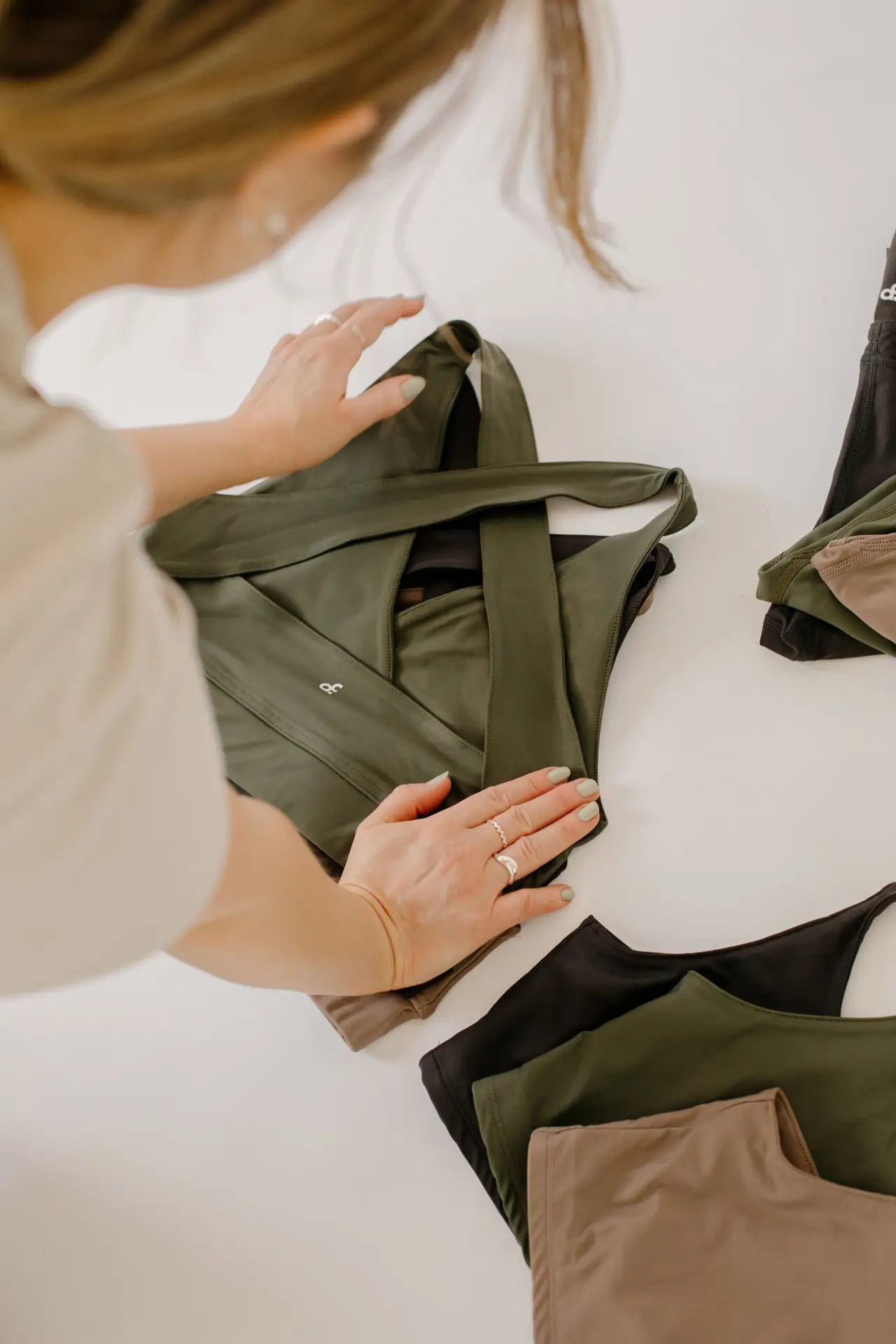
Today, Actively Conscious is a small, independent, female-owned sustainable fashion and lifestyle brand. Our collections are small and intentional: sustainable activewear designed by me and made in the UK, yoga-inspired organic cotton loungewear made in Fair Wear factories, and my continuous-line yoga illustrations, screen printed here in Manchester and featured across my organic loungewear.
The future of fashion is intentional
For me, the future of sustainable fashion starts with slowing down. Be less impulsive. Before you buy, pause and ask yourself: do I really need this? Will it genuinely change my life?
When we shop with intention, we build a deeper connection with the clothes we wear. Think of that one piece you adore and cherish. You can have more wardrobe moments like that by buying less, choosing well, savouring what you do buy and caring for it for years to come.
Wellness doesn’t stop when you roll up your mat. It’s in every choice we make, including what we wear. I started Actively Conscious because I believe fashion can be kinder to people and the planet, and every intentional purchase brings that future a little closer.
What to look for when buying sustainable activewear
A note from Wellness Seen
Read the fabric label. It tells you exactly what a piece is made from. Look for organic cotton, or recycled fibres such as recycled polyester and regenerated nylon, rather than new synthetics.
Look for named certifications. Words like “eco” and “conscious” on their own don’t mean much. Recognised standards do. GOTS (the Global Organic Textile Standard) covers organic fibres. The Global Recycled Standard covers recycled content. OEKO-TEX Standard 100 means the fabric has been tested for harmful substances. Fair Wear works on conditions for the people who make the clothes.
Ask where it was made. A brand that can tell you which country, or even which factory, made your leggings usually knows its supply chain well.
Buy fewer, better pieces, and look after them. Synthetic fabrics shed tiny fibres when they are washed. Washing less often, on a cooler, shorter cycle, helps your clothes last longer and sheds less.
Chloé Lennox is a fashion designer and the founder of Actively Conscious, an independent sustainable activewear and lifestyle brand.
Disclosure: Chloé is the founder of Actively Conscious, the brand she writes about.