
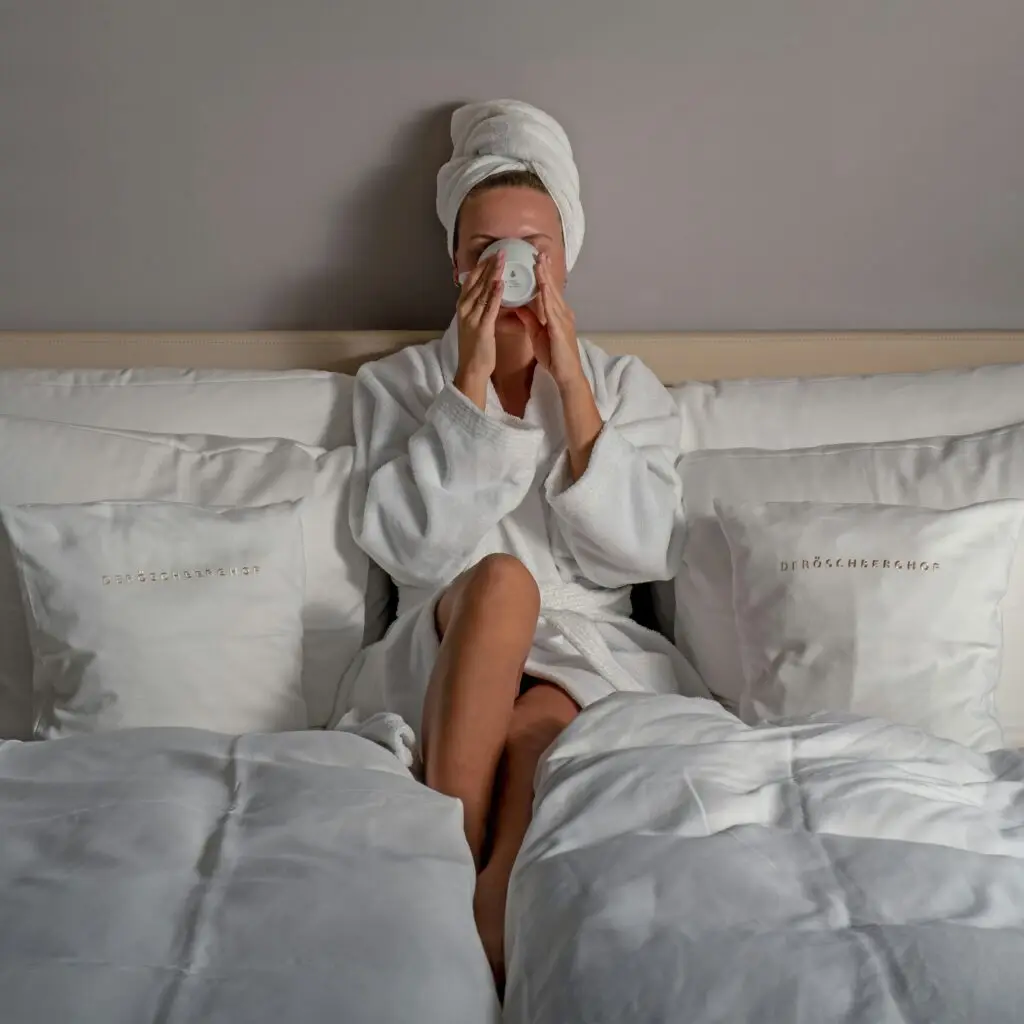
Most of us know the feeling. You check in, close the curtains, climb into a bed made with crisp white sheets, and sleep more deeply than you have in weeks. Then you get home, and it is back to waking at three in the morning.
It is not your imagination, but it is not magic either. A well-designed hotel room removes most of the things that keep us awake at home.
Interestingly, science says we should sleep worse in a new place, at least at first. Researchers at Brown University, writing in the journal Current Biology in 2016, found that on the first night somewhere unfamiliar, one half of the brain stays more alert than the other, listening out for anything unusual. They called it the first-night effect. By the second night, it had gone. So when a hotel still gives us a good night, it is working against our own instincts, which says a lot about how well the room is designed.
Hotels take sleep more seriously than ever. Hilton’s 2026 trends report found that 90% of travellers say a comfortable bed is the most important amenity after a day on the road, and some hotels now build whole programmes around sleep. Here is what they tend to get right.
Darkness. Proper blackout curtains or blinds, and very few glowing lights. Even small lights from chargers and screens can make a difference.
Cool air. Hotel rooms are often kept cooler than our homes. The Sleep Foundation suggests a bedroom of around 18°C for most people.
Quiet. Good windows, thick walls and soft furnishings that absorb sound.
A good bed. A supportive mattress, a choice of pillows and clean, crisp bedding.
No clutter. This might be the biggest one. A hotel room has no washing pile, no paperwork, no reminder of everything you have not done. Nothing in the room asks anything of you.
Bringing this home doesn’t mean redesigning your bedroom. Start with darkness: blackout lining or a silk eye mask. Turn the heating down at night, or open a window. Clear the surfaces you can see from bed. Keep your phone out of the room, or at least out of reach. Treat yourself to good bedding and wash it often. And keep the bedroom for sleep, rather than work, emails or the news.
None of it is complicated. The hotels have simply decided that sleep matters, and designed everything around it. We can do the same.

Five hotels that take sleep seriously
Equinox Hotel, New York. Its Sleep Lab rooms have temperature-controlled Eight Sleep mattresses, blackout shades and soft night lighting. equinox-hotels.com
The Cadogan, A Belmond Hotel, London. A sleep service created with a sleep expert, with a pillow menu, a bedtime tea and guided sleep recordings. belmond.com
Zedwell Piccadilly Circus, London. Windowless, soundproofed rooms with no TV, designed for sleep in the middle of the West End. zedwellhotels.com
Six Senses Vana, Dehradun, India. A sleep programme with sleep tracking, Ayurvedic treatments, yoga nidra and meditation. sixsenses.com/vana
SHA Wellness Clinic, Alicante, Spain. A sleep programme that includes an overnight sleep study. shawellness.com