Most people who live in a town or a city have thought about it at some point. A house in the country. More space, more green and a slower pace of life.
The idea behind it is that we would feel better if we lived there. I wanted to look at whether that is true.
What happened to the move to the country
During the pandemic, a lot of people acted on that idea. In 2022, Londoners bought 8.2 per cent of all the homes sold outside the capital, according to the estate agent Hamptons.
Since then it has slowed. In 2025 the figure was 5.6 per cent, the lowest level since 2013. Many of those who did leave stayed close. “The hotspots for leavers were locations around the M25, not places in the heart of the countryside,” Hamptons reported.
“The pandemic pushed buyers into leafier, more lifestyle-driven locations, but today’s movers are more pragmatic,” said Aneisha Beveridge, the firm’s head of research.
People have gone back to the office, and moving is expensive. But I do not think the wish for a different way of living has gone away.
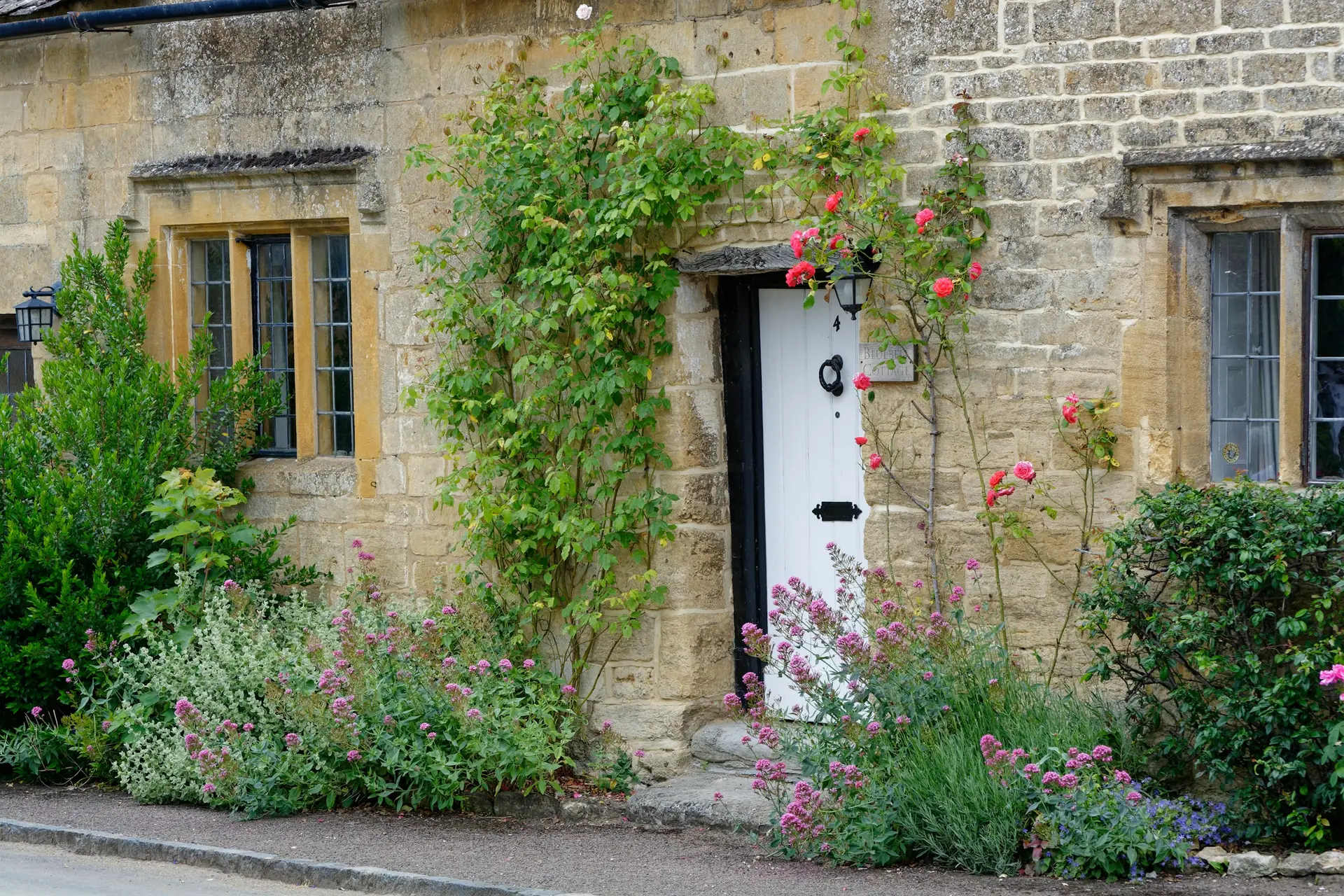
What the research says
There is good evidence that time in nature is linked to lower stress.
Researchers at the University of Michigan asked people to spend time in nature at least three times a week for eight weeks, and measured the stress hormone cortisol in their saliva. Twenty minutes was enough to lower it significantly.
A study of nearly 20,000 people in England, led by the University of Exeter, found that those who spent at least two hours a week in nature were more likely to report good health and wellbeing than those who spent none.
It is important to be clear about what these studies show. They are about time spent in nature. They are not about where you live.
Even a small change in surroundings can change how your days feel.
What I have noticed
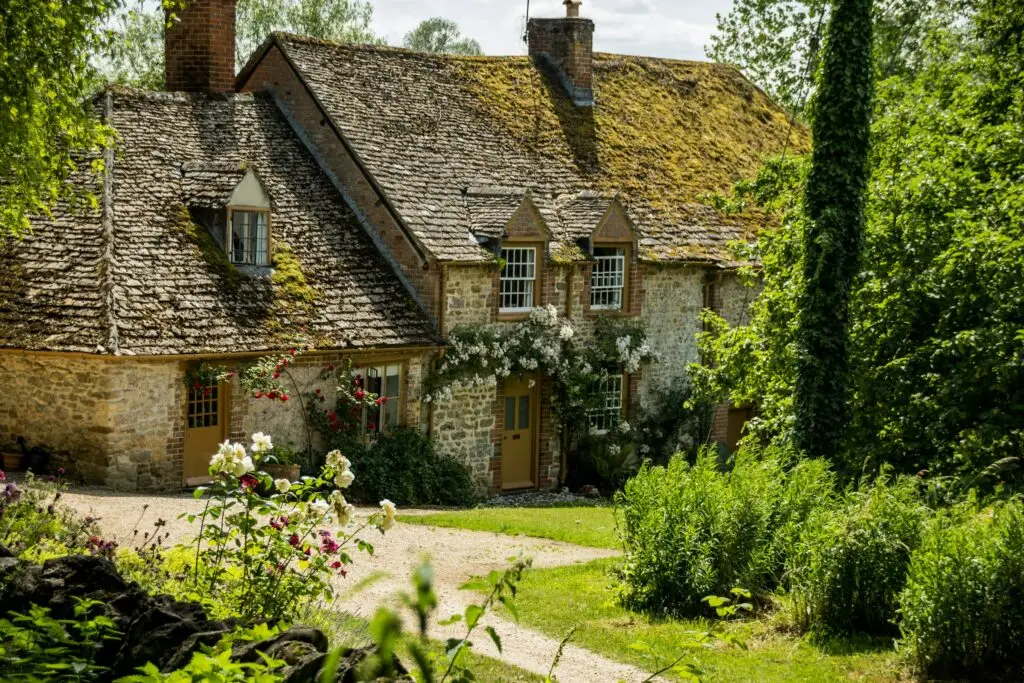
I have some experience of this. We recently moved from a town in Cheshire to the Cotswolds.
It was not a move from the city to the country. Both are countryside. Even so, I have noticed a difference. In the Cotswolds, not everything is on my doorstep. I have to drive, and the drive is through country lanes. I notice the architecture and the landscape on the way. The pace of life is slower, and I have slowed down with it.
What this has shown me is that even a small change in surroundings can change how your days feel.
So, do you need to move?
No. I do not think you do.
The research points to time in nature, and that can be found in most places. Twenty minutes in a park counts. Two hours across a week counts.
As a designer, I would also look at the home itself. A view of something green from the place you sit most. A table by a window. A garden, a balcony or a windowsill that you use. A walk built into the day, even a short one.
The countryside makes all of this easier, because nature is outside the door. But the benefit comes from the environment you spend your time in, and that is something you can change wherever you live.