There is a habit that keeps turning up when very successful people are asked how they live.
It isn’t the five o’clock alarm, or the cold shower, or the green juice. It is quieter than any of those. They sit down, close their eyes and, as far as anyone watching can tell, do nothing at all.
Oprah Winfrey has called meditation “one of the most life-enhancing things I ever did”. Ray Dalio, the billionaire investor, learned it in his twenties and has practised ever since. “It helps slow things down,” he wrote, “so that I can act calmly, even in the face of chaos.”
These are people who measure their days in minutes. And the thing they guard most carefully is the part where nothing happens.
An old idea with a long journey
Meditation is one of the oldest practices we have. It is thousands of years old, and its roots are in India.
For most of that time the West paid it very little attention. Then, in February 1968, the Beatles flew to Rishikesh in northern India to study Transcendental Meditation, and the world’s most famous band made it something people at home were suddenly curious about.
The next leap came in 2010, in London, when Andy Puddicombe and Richard Pierson launched an app called Headspace. Puddicombe had been a monk. The idea was simple: take a practice that had always needed a teacher and put it on your phone.
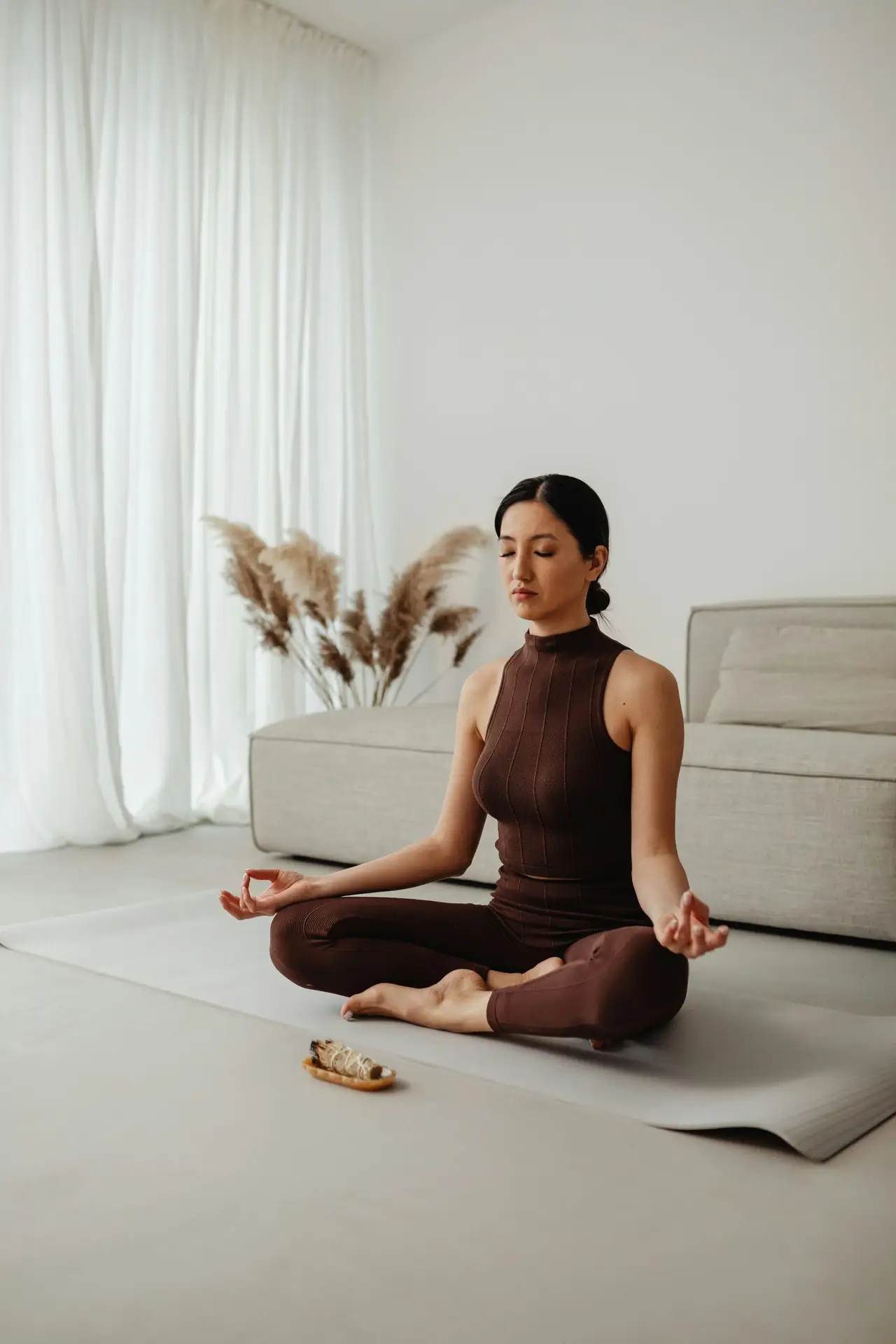
A discipline that once meant a journey across the world became ten minutes on the train to work.
Why it has stuck
We don’t think the appeal is mysterious.
A modern day is made almost entirely of other people’s demands. The messages arrive before you are out of bed. The meetings fill the diary. The phone asks for your attention every few minutes, and usually gets it.
Meditation is the one appointment in the day that is with nobody. For ten minutes, before any of it begins, nothing is being asked of you.
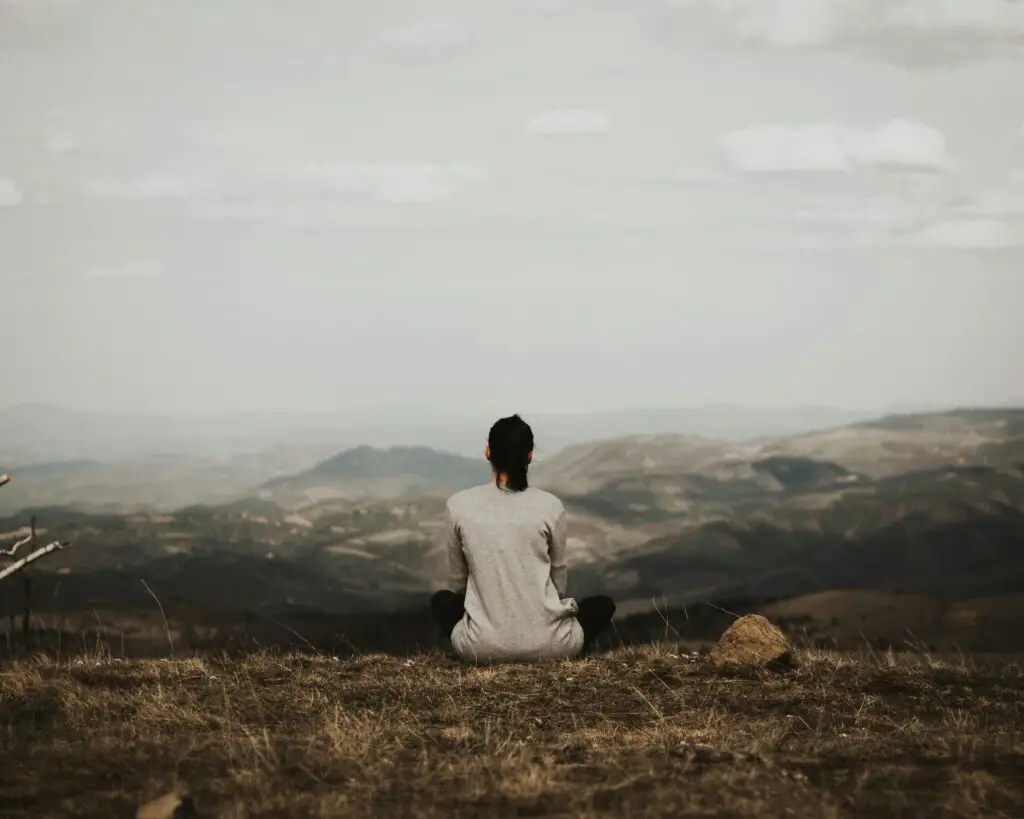
And it is far less grand than it sounds. You sit. You breathe. Your mind wanders off to the shopping list, and you bring it back. It wanders again, and you bring it back again. That is all it is. Nobody is doing it perfectly, including the people who have done it for forty years.
Nor does it have to be long. Jay Shetty spent his years as a monk meditating for four to eight hours a day. The daily practice he recommends now is seven minutes. Some people build up over time, to half an hour or more. Plenty never do, and there is no need to feel you should. Ten minutes counts.
Meditation is the one appointment in the day that is with nobody.
It also asks for very little. It is free. It needs no equipment and no special room. You can do it on the edge of your bed, in a parked car or at your desk before anyone else arrives.
Perhaps that is why the people with the least time are the ones most determined to keep it. It isn’t the most impressive part of their morning. It is the only part that belongs to them.
In a world that rewards doing more, the habit everyone wants turns out to be ten minutes of doing nothing.
Three apps to start with: Headspace · Calm · Insight Timer