Here is a strange fact about fibre. You can’t digest it.
It is the part of a plant that passes through your small intestine untouched. It carries on to the large intestine, where the bacteria that live there break it down instead.
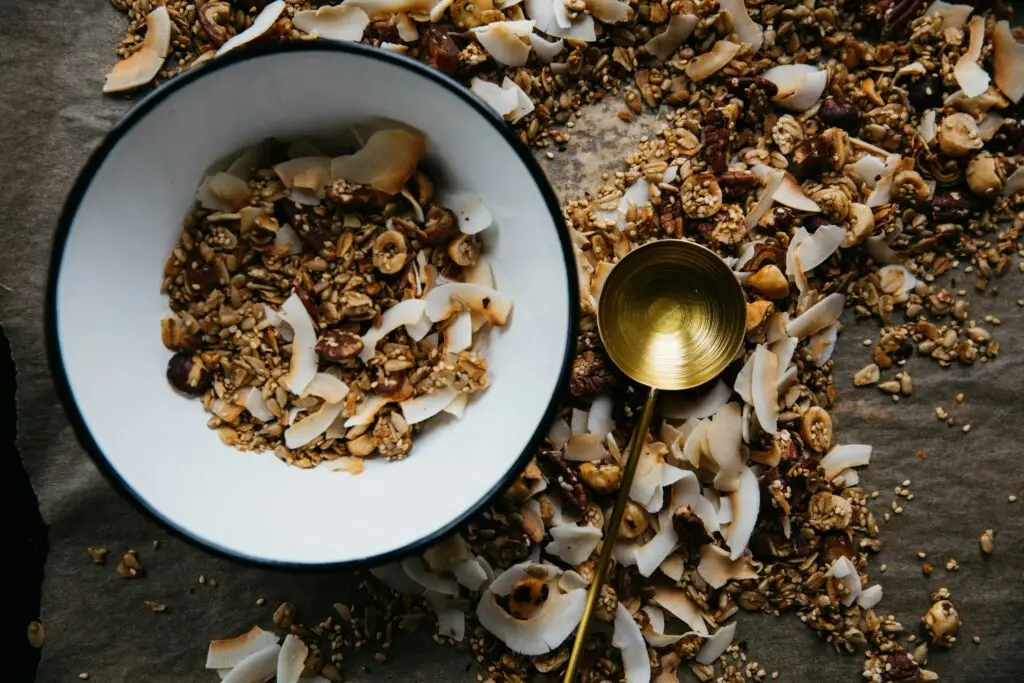
So when you eat a bowl of porridge, you aren’t only feeding yourself. You are feeding them.
That one idea has changed how fibre is talked about. It used to belong to bran flakes and leaflets in the doctor’s waiting room. Now people film themselves stirring it into overnight oats.
Protein had its turn
For years protein took all the attention. It went into bars, cereals and yoghurts, and into foods that had no real reason to mention it. Fibre got nothing.
Which is odd, because fibre is the one we are short of. The World Health Organization recommends that adults eat at least 25 grams a day. “Most people struggle to reach the minimum [fibre] recommendations,” Boushra Dalile, a postdoctoral researcher at KU Leuven who studies nutrition and the gut microbiome, told Euronews.
Now fibre is getting the protein treatment. A habit called fibremaxxing has spread across social media, and food companies have noticed. Fibre is being added to fizzy drinks, juices and snack bars, and printed across the front of the pack.
This is where we part company with the trend. Fibre doesn’t need to be added to anything. It is already there, in food that has been in our kitchens for generations. One of the new fibre sodas has 7 grams in a can. So do two slices of wholemeal toast.
More kinds, not just more
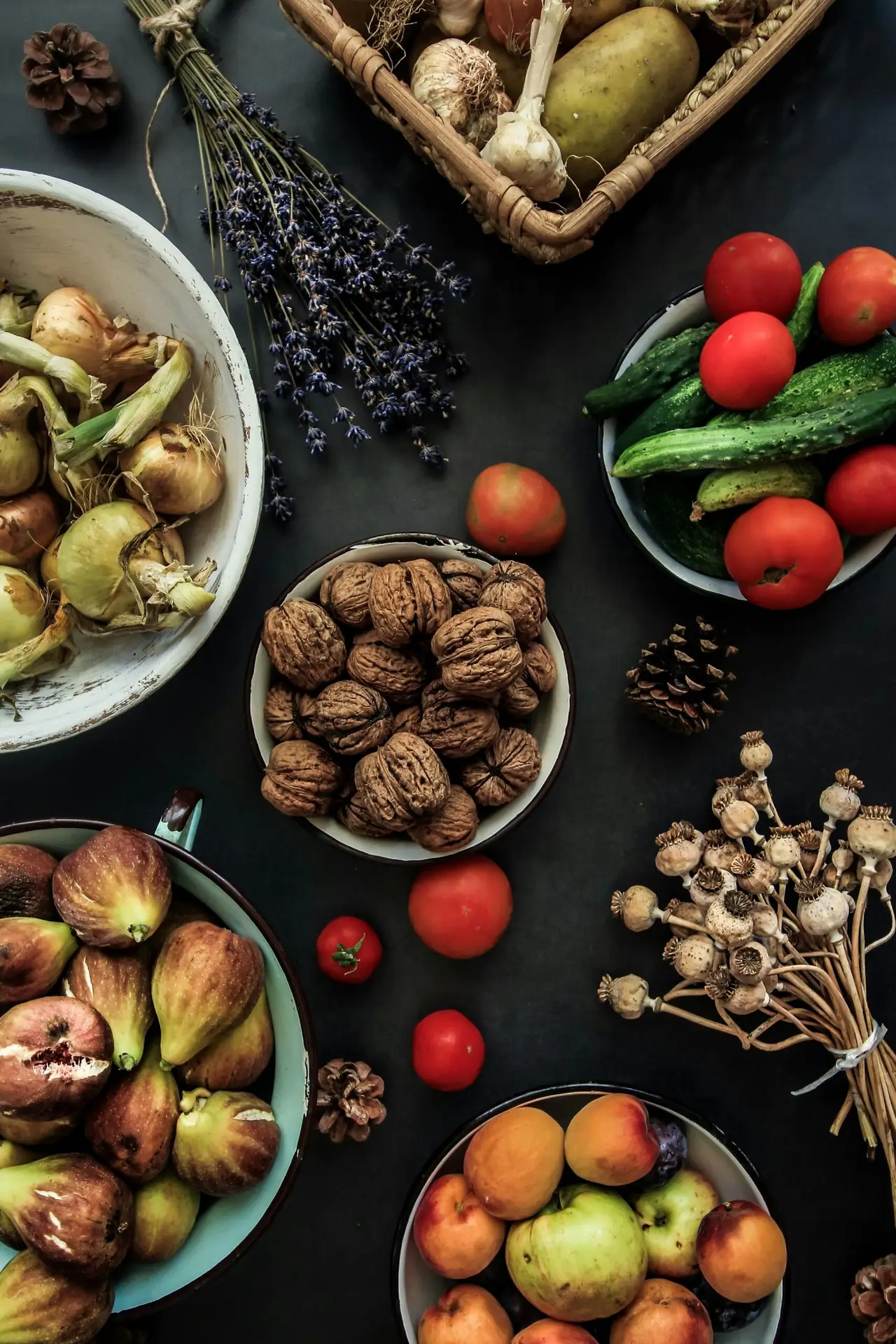
Fibre’s problem was never the science. It was the look. Its best sources are some of the least photogenic foods in the kitchen. Oats. Beans. Wholemeal bread. Nuts and seeds. Nothing glows.
But this is where it gets interesting. As the nutritional therapist Anna Mapson told Speciality Food Magazine, “different gut microbes enjoy a range of different fibres”.
So the question is changing. It is less about how many grams you ate today, and more about how many different plants you ate this week.
When you eat a bowl of porridge, you aren’t only feeding yourself.
Five small additions
None of this needs a new diet. It needs a few things added to the food you already eat.
The tin in the fridge. Open a tin of beans or chickpeas and add a spoonful to whatever you are making: soup, salad, a pasta sauce.
Peas in everything. A handful from the freezer goes into rice, eggs or a stew in the last two minutes.
Change your toast. Wholemeal in place of white is the easiest swap in the kitchen.
Fruit on top. Whatever you have for breakfast, slice a pear or scatter berries over it.
One new plant a week. Buy one thing you don’t usually buy, a different bean, a grain, a vegetable you have walked past, and work out what to do with it.
Our fibre hack
“One thing that’s easy is using lots of seeds in meals,” Dalile told Euronews. We agree, and this is how we do it.
Make a mix of seeds. Ours is equal parts chia seeds, ground linseed, pumpkin seeds, sunflower seeds and sesame seeds. Keep it within reach, then put a pinch on almost anything.
In your smoothie. Blend a spoonful in, or scatter it over the top.
Over breakfast. Porridge, yoghurt, a bowl of fruit, eggs on toast.
Stuffed in dates. Split a date, fill it with a little nut butter and press it into the seeds.
On avocado toast. A pinch over the top, with a squeeze of lemon.
Through a salad. Toss it in at the end, where you might have used croutons.
That is five plants in a single pinch. Change the mix whenever you like. The point is the variety.
Fibre didn’t change. We just found out who it was for. And it was in the cupboard the whole time.
Start here: overnight oats
Several different plants before you have left the house. Serves one.
- 50g porridge oats
- 1 tablespoon of the seed mix, plus a pinch to finish
- 150ml milk of your choice
- 2 tablespoons natural yoghurt
- Half an apple, grated, skin on
- A pinch of cinnamon
- A small handful of almonds, roughly chopped
- A handful of berries
Stir the oats, seed mix, milk, yoghurt, apple and cinnamon together. Cover and leave in the fridge overnight. In the morning, loosen with a splash of milk if you like it softer, then top with the almonds, the berries and a last pinch of seeds.